

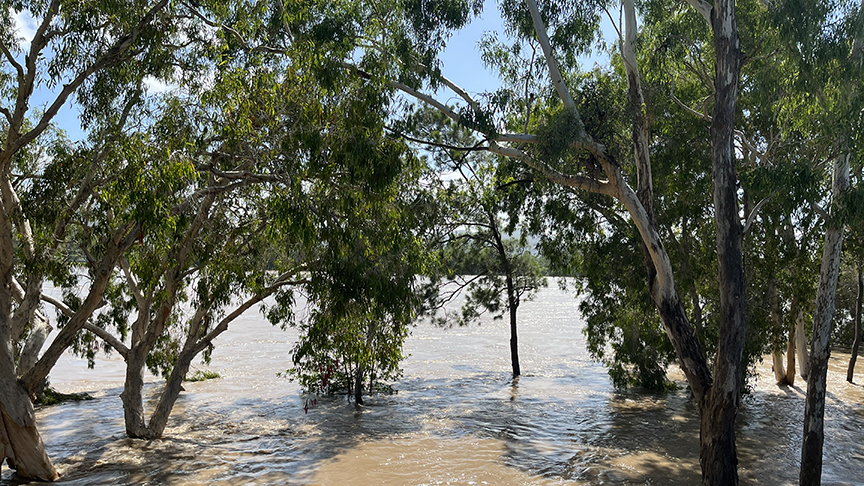
Central Queensland residents are being reminded to take extra care as continued flooding and wet-season conditions increase the risk of melioidosis across the region.
The Central Queensland Public Health Unit has confirmed a rise in cases this wet season, prompting renewed warnings for communities undertaking clean-up activities or working in muddy or contaminated environments.
Melioidosis is a rare but potentially life-threatening disease caused by the soil-dwelling bacterium Burkholderia pseudomallei. Heavy rain and flooding bring the bacteria to the surface, contaminating floodwaters, soil and mud. The infection can occur through open wounds or by inhaling contaminated droplets during clean-up activities.
Central Queensland Public Health Unit Physician, Dr. Margaret Young said the combination of recent severe weather, widespread flooding and increased exposure to mud and debris means residents should be especially cautious.
“Melioidosis is uncommon in healthy adults and children, but people with underlying medical conditions - including diabetes, chronic kidney or lung disease, heavy alcohol use, or those on immune suppressing medications such as cancer treatments - are at a greater risk.” she said.
“Symptoms may include fever, cough and difficulty breathing, and in many cases the illness is severe enough to require hospital treatment with antibiotics.
“In some cases, melioidosis presents as superficial skin infections or abscesses in various part of the body.
“If anyone has noticed non-healing wounds or persistent fevers over several weeks, then they should seek medical attention and ask their GP about melioidosis, as treatment often requires prolonged courses of antibiotics.”
Dr Young said there is currently no vaccine for melioidosis, making personal protective measures essential, particularly for vulnerable groups.
“This means wearing protective footwear - closed, waterproof shoes - when outdoors in muddy conditions, using gloves when gardening or working on farms, and covering any cuts or abrasions with waterproof dressings,” she said.
“People should avoid contact with muddy water wherever possible, particularly following heavy rain. A mask is recommended when using high‑pressure hoses around soil or when spraying bore water, and those at higher risk should stay indoors wet weather events.”
“After any exposure to soil or mud, wash thoroughly, preferably in a shower. People with diabetes should also ensure they maintain good foot care, with support from a podiatrist if required.”
If you are concerned about symptoms, you can:
- Visit your local General Practitioner
- Present to your nearest hospital or health service
- Call 13HEALTH (13 43 25 84) to speak with a nurse
- Use the free Virtual Emergency Care Service (8am – 10pm)
For life-threatening emergencies, always call Triple Zero (000).
People in Rockhampton and Gladstone can also visit the Medicare Urgent Care Clinics or the Gladstone Nurse-led Walk-In Clinic.
Learn more about melioidosis on the Queensland Government website.